Why is my ceiling leaking water after heavy rain in Brownsville?
A ceiling leak after heavy rain in Brownsville usually means roof or flashing failure. Here's why it happens, how to stop it, and when to call for help.
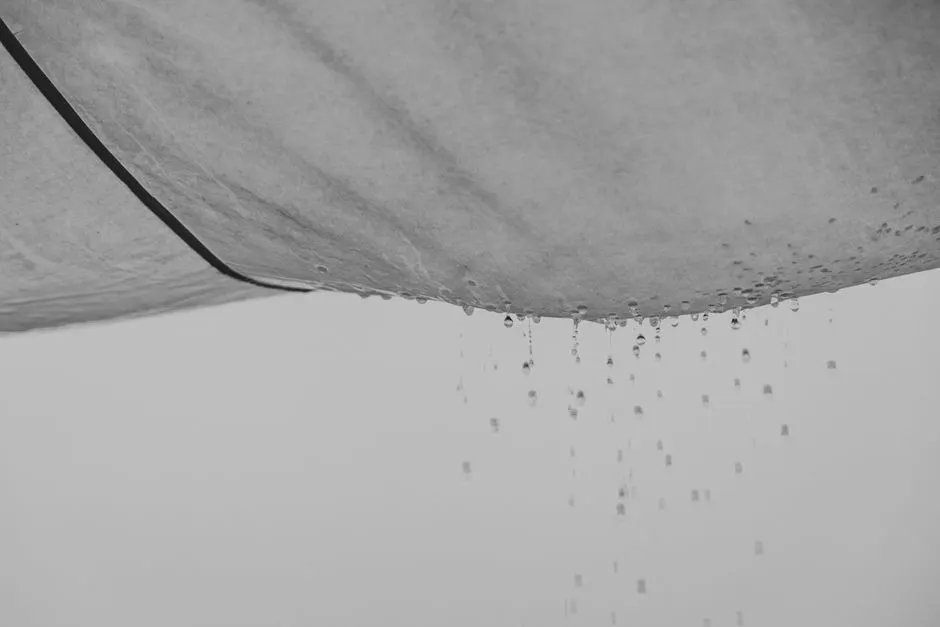
Your ceiling is leaking after heavy rain in Brownsville because water is getting past your roof covering, flashing, or a roof penetration, then traveling along a rafter or decking until it finds a seam in the drywall. The leak almost never starts directly above the stain - it enters higher up and runs sideways before it drips. That is why the wet spot on your ceiling is a clue, not the source.
This post explains the specific ways Brownsville rain finds its way in, what you can safely do while it is still pouring, and when a ceiling leak turns into a water damage problem that needs professional drying. We will also cover the mistakes that turn a $400 repair into a $4,000 one.
The short answer: roof and flashing failures
Why is my ceiling leaking water after heavy rain Brownsville TX is a question we hear every storm season, and the answer almost always comes down to one of five failure points. The most common is deteriorated roof flashing - the metal that seals the joints around chimneys, vents, and where roof planes meet walls. Flashing relies on sealant that bakes in the South Texas sun and cracks after a few summers. Once it fails, wind-driven rain pushes straight under it.
The second most common cause is missing or lifted shingles. Brownsville gets hail and 40 to 60 mph straight-line winds during spring and summer storms. A single lifted shingle tab lets water wick under the course below it. You will not see the damage from the ground, but your ceiling will show it within hours.
Third: cracked pipe boots. Every plumbing vent stack that comes through your roof has a rubber boot around it. That rubber dries out and splits. When it does, water runs down the pipe and drips onto the ceiling right where the pipe passes through.
Fourth: clogged or failed valley flashing. If your roof has a valley where two planes meet, debris collects there. When the valley cannot drain fast enough during a downpour, water backs up under the shingles.
Fifth: damaged underlayment. Even if your shingles look fine, the felt or synthetic underlayment beneath them can tear. Once it tears, every rain event sends water through.
Ceiling water damage after storm Brownsville is a category of damage that gets worse by the hour. Water spreads through insulation, saturates drywall, and starts feeding mold within 24 to 48 hours. If you are seeing active dripping, treat it as urgent.
Why Brownsville rain hits ceilings so hard
Brownsville sits in one of the wettest storm corridors in Texas. The city averages around 27 inches of rain per year, but that number hides the real problem: most of it falls in intense bursts. A single afternoon thunderstorm can drop 2 to 3 inches in under an hour. That volume overwhelms roof drainage and finds every weak point.
Add the wind. Tropical systems and strong Gulf thunderstorms push rain sideways at 30 to 50 mph. Rain that falls straight down rarely gets past shingles. Rain driven sideways gets under them easily. This is why so many Brownsville ceiling leaks appear during the storm itself, not after.
The heat matters too. Roof surface temperatures in Brownsville routinely hit 150°F in July and August. That heat destroys sealants, dries out rubber boots, and makes asphalt shingles brittle. By the time a storm arrives, the roof has already been weakened by months of UV exposure.
Older neighborhoods feel this hardest. In the Water Damage restoration in Downtown Brownsville area, many homes have roofs that are 15 to 25 years old and have been patched multiple times. Each patch is a potential leak point. We also see recurring ceiling leaks in Water Damage restoration in Southmost, where flat and low-slope roofs are common and ponding water sits on the surface long after the rain stops.
If your home has a flat roof section, check it after every storm. Standing water that sits for more than 48 hours will eventually find a seam.
How to stop a ceiling leak during a storm in Brownsville Texas
You cannot stop the rain, but you can slow the damage and protect your belongings while the storm passes. Here is what to do, in order.
- Move furniture and electronics out of the drip zone. Water spreads across the ceiling before it drips, so clear a 6 to 8 foot radius around the wet spot.
- Place buckets or bins under the drip. Put a towel in the bottom to reduce splash noise and splatter.
- If the ceiling is bulging, poke a small hole in the center of the bulge with a screwdriver. This sounds counterintuitive, but a controlled drip is far better than a sudden collapse that dumps 20 gallons of water and insulation onto your floor.
- Do not go on the roof during the storm. Wet shingles are slippery, and lightning is a real risk. Wait until the rain stops.
- Take photos and video. Document the leak, the wet spot, and any damaged belongings. Your insurance adjuster will want this.
If the leak is coming through a light fixture or ceiling fan, turn off the power to that circuit at the breaker box immediately. Water and live electricity do not mix. Do not just turn off the switch - turn off the breaker.
Once the rain stops, you have a window of a few hours to act before mold risk climbs. If the wet area is larger than a dinner plate, or if insulation is soaked, you need professional drying. Our team handles ceiling water damage repair Brownsville TX with moisture meters and thermal cameras to find all the wet material, not just the visible stain.
What to do after the rain stops
After the storm passes, the priority shifts from stopping the drip to drying the structure and fixing the source. These are two separate jobs, and skipping either one leads to problems.
Dry the interior first
Water that soaked into drywall, insulation, and framing does not evaporate on its own in Brownsville's humidity. In fact, our average relative humidity of 70 to 80 percent means wet materials stay wet longer here than in drier climates. You need mechanical drying: air movers to circulate air and dehumidifiers to pull moisture out of the air.
For a typical ceiling leak affecting 100 to 200 square feet, drying takes 3 to 5 days with professional equipment. A box fan and a household dehumidifier will not get it done. We use commercial-grade units and monitor moisture daily until the readings match a dry standard.
If the ceiling drywall is sagging, crumbling, or has visible mold, it needs to come out. We remove the damaged section, dry the framing behind it, and treat the area before new drywall goes up.
Fix the roof
Once the interior is dry, the roof repair can happen. A roofer will inspect the area above the leak, check flashing, boots, and shingles, and make the repair. If the roof is near the end of its life, patching may only buy you a season or two.
One thing to understand: the ceiling stain and the roof leak are often 10 to 15 feet apart horizontally. Water follows the path of least resistance along rafters. A roofer who only looks directly above the stain may miss the actual entry point. That is why we recommend a water test - running a hose over suspect areas while someone watches inside - to confirm the source before any repair is made.
For homes with significant storm damage, not just a single leak, flood restoration services Brownsville TX covers the full scope: water removal, structural drying, mold prevention, and repairs.
Common mistakes that make ceiling water damage worse
We see the same errors over and over when we arrive at ceiling leak calls in Brownsville. Avoiding them can save you thousands.
- Painting over the stain without fixing the leak. The stain will return with the next rain, and now you have mold behind fresh paint.
- Assuming the leak is directly above the stain. Water travels. The entry point is often several feet away.
- Using a household fan to dry a soaked ceiling. It moves air but does not remove moisture from materials. Mold can start in 24 to 48 hours.
- Ignoring a slow drip. A drip every 30 seconds adds up to several gallons a day. That water is going into your ceiling cavity, not just the bucket.
- Climbing on the roof during or right after rain. Wet shingles and a steep pitch are a bad combination. Leave it to a pro.
- Waiting to call insurance. Most policies require you to mitigate damage promptly. Delaying can reduce your payout.
One more: do not assume a ceiling leak means you need a full roof replacement. Sometimes it is a $200 flashing repair. Sometimes it is a $12,000 roof. You will not know until someone inspects it.
When to call a professional
Call a professional when the leak is active, when the wet area is larger than 2 feet by 2 feet, when you see sagging or bubbling paint, or when there is any chance the water has reached electrical wiring. Those are the situations where DIY drying fails and mold takes hold.
We handle the interior side of ceiling leaks: water extraction, structural drying, mold prevention, and drywall repair. We do not replace roofs, but we work alongside roofers to make sure the leak is fixed before we close up the ceiling. If you are dealing with a ceiling leak that has already soaked insulation or drywall, our team can assess the damage and start drying the same day.
If you are not sure whether you need help, ask yourself three questions: Is the ceiling still wet 24 hours after the rain stopped? Is there a musty smell? Is the drywall soft or discolored? If you answered yes to any of those, get it checked.
Frequently Asked Questions
Why is my ceiling leaking water after heavy rain in Brownsville TX?
Water is getting past your roof covering, flashing, or a roof penetration like a vent pipe. Brownsville's wind-driven rain and intense downpours push water into weak points that stay dry during lighter rain. The leak often enters 10 to 15 feet from where it drips.
How do I stop a ceiling leak in Brownsville Texas?
You cannot stop it from inside during the storm. Move belongings, place buckets, and if the ceiling bulges, poke a small hole to control the drip. Turn off power to any affected circuit. After the rain stops, call for roof repair and interior drying within 24 to 48 hours.
Does homeowners insurance cover ceiling leaks from rain in Brownsville?
Most policies cover sudden damage from a storm-created opening, like wind lifting shingles or hail cracking a vent boot. They typically do not cover leaks from long-term neglect or an old roof that was already failing. Document everything and call your insurer promptly.
Who do I call for a ceiling leak in Brownsville TX?
Call a water damage restoration company first if the ceiling is wet or sagging, and a roofer to fix the source. We handle the drying, mold prevention, and ceiling repair. For active leaks, call us at (956) 625-2326.
How long does it take to dry a ceiling after a leak?
A typical ceiling leak affecting 100 to 200 square feet takes 3 to 5 days to dry with commercial air movers and dehumidifiers. Brownsville's high humidity can extend that. We monitor moisture daily and do not stop until readings are dry.
Get help with Water Damage restoration in Brownsville
A ceiling leak after heavy rain is a race against mold. The faster you get the water out and the structure dry, the less damage you pay for. Our team serves Brownsville and Cameron County with same-day emergency response.
Call Water Damage restoration at (956) 625-2326. We will find the source, dry the ceiling, and get your home back to normal.